
Finding Your Way Home: Starting the Journey Out of Toxic Relationships
If you feel like you have been taking care of other people and their needs and neglecting your own body, health, and needs for far too long — exhausted, second-guessing yourself, and unsure how you even got here — you’re not alone.
Toxic relationships have a way of eroding your sense of self so quietly that one day you wake up wondering: When did I stop recognizing myself? When did I abandon my Self? When did I start living in survival mode instead of feeling alive?
The good news: there is a way home.
What does a toxic relationship look like?
It isn’t always dramatic or obvious. Sometimes it’s the subtle, daily drip of:
• Feeling drained instead of nourished after spending time with someone.
• Walking on eggshells, afraid of triggering an outburst or disapproval.
• Silencing your needs because they’re dismissed, mocked, or minimized.
• Losing touch with your own joy, creativity, or freedom.
Toxicity isn’t only about partners — it can show up in friendships, family ties, or even work environments. What matters most isn’t the label, but how it makes you feel: smaller, stuck, or unsafe to be yourself.

Why it’s hard to leave (and why that’s not your fault)
When you’re in the middle of it, the fog is real. You might tell yourself:
• “Maybe I’m overreacting.”
• “If I just try harder, things will get better.”
• “I can’t imagine life without them.”
This is what toxic dynamics feel like — and what they do to your sense of self. They twist your reality until you question your own reality, perception, and even your sanity — as well as your sense of being worthy of better or more of what you need and desire.
Please know: struggling to leave doesn’t mean you’re weak. It means you’ve been deeply impacted. You deserve compassion from yourself, for yourself. You deserve to feel safe and not judged by voices from the past — or the ones in the present.
Gentle first steps home
You don’t have to overhaul your life overnight. Healing begins with small, steady acts of reclaiming yourself:
• Notice: Pay attention to what drains you and what supports you. Start simply by asking, How do I feel after I spend time with this person?
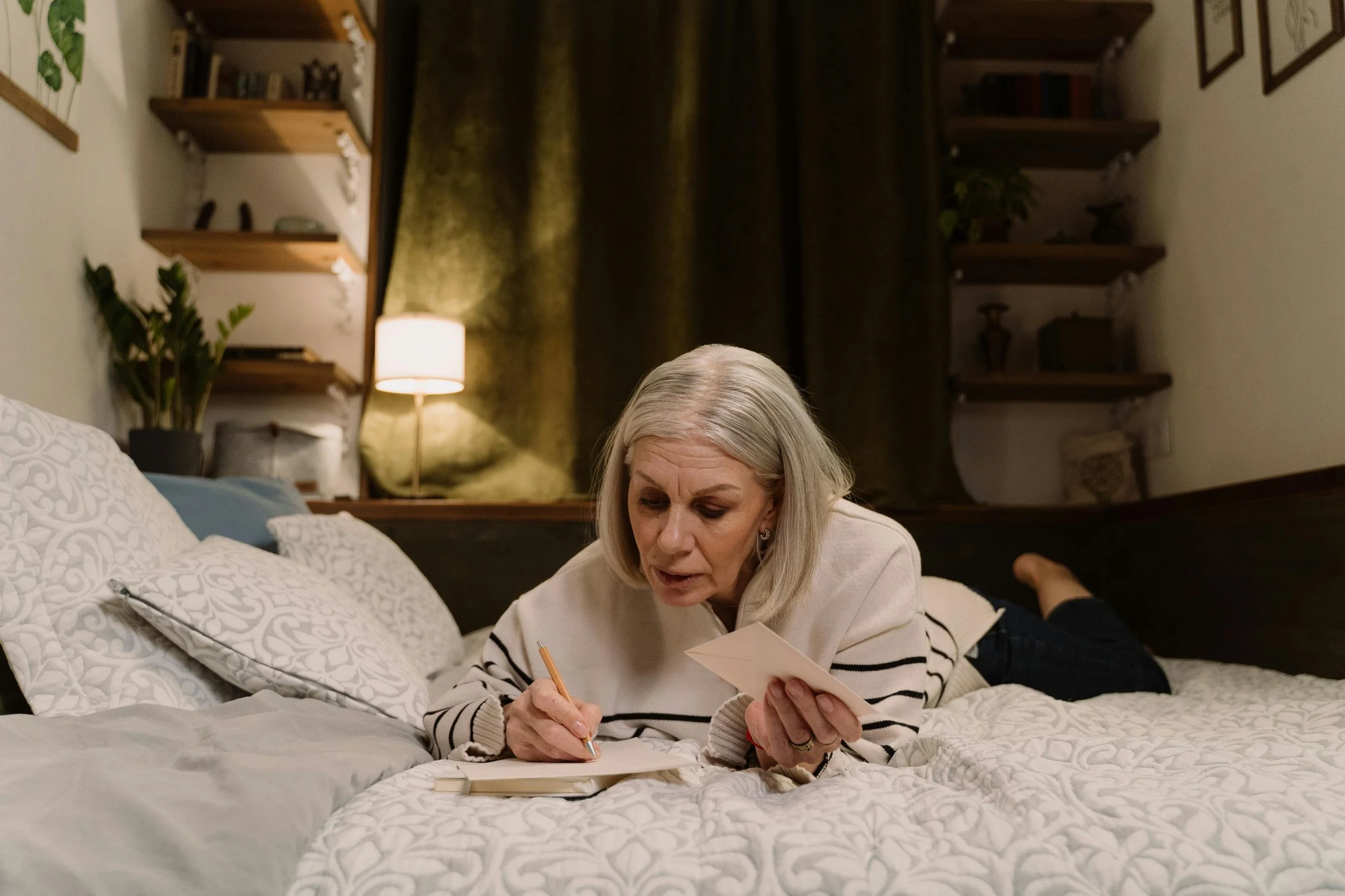
• Name: Put language to your experience. Journaling or even whispering aloud, This hurts me, begins to break the silence.
• Nurture: Create small rituals of self-connection — a mindful breath, a walk outside, or a moment with your hand on your heart.
• Reach for support: Healing is hard to do alone. Seek a trusted friend, a therapist, or a coach who can reflect back the truth of who you are.
Coming home to yourself
Leaving a toxic relationship — or even beginning to untangle from one — isn’t about fixing yourself. It’s about remembering yourself. Toxicity disconnects us from our inner compass. Recovery reconnects us with the clarity, strength, and dignity that were always there.
You don’t need the full map right now. You just need the next step.
Your invitation
If you’re ready to take that first step but don’t know where to begin, I’d love to walk beside you.
I offer a free 20-minute discovery call — a safe, non-judgmental space to explore who you want to become, with support and practice. In this call, you can share where you are, and together we can explore how you might start coming home to yourself.
You don’t have to stay stuck in survival mode. Your way home is waiting.